Context
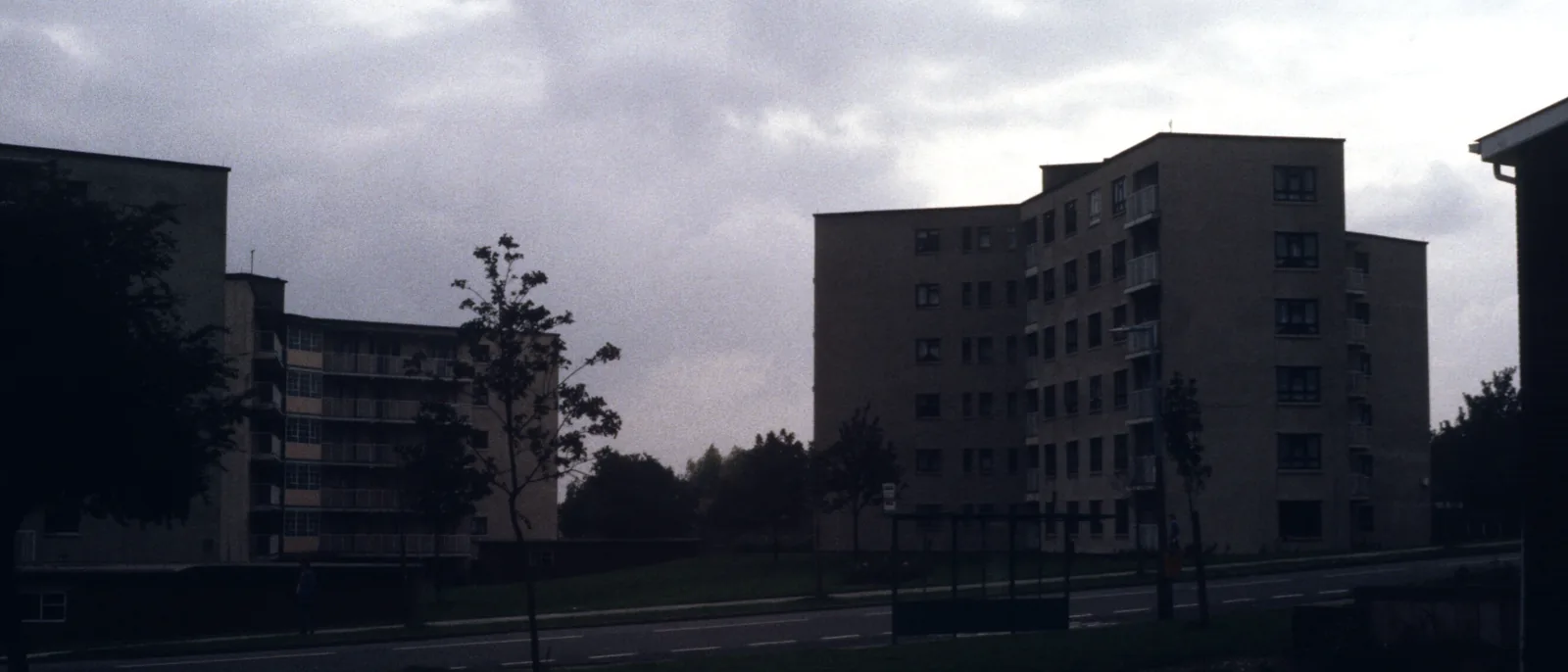
A registered social landlord (RSL) responsible for a large portfolio of homes needed to bring its fire risk assessments onto a single, defensible footing. The stock was genuinely mixed — complex high-rise properties, both new-build and older blocks, alongside mid- and low-rise blocks and street properties — assessed over the years by different assessors to varying depth and format. The result was a set of assessments that were hard to compare, hard to prioritise from, and hard to evidence to a regulator.
The brief
The landlord needed three things at once: assessments that met current standards consistently across every building; a clear, risk-ranked picture of where to act first; and documentation that would stand up to scrutiny under the Building Safety Act 2022 and the Fire Safety (England) Regulations 2022. Crucially, they wanted advice from someone with no stake in the remediation that might follow — so the findings could be trusted to reflect risk, not revenue.
Our approach
Apex set up a rolling programme rather than a one-off sweep, so assessments could be sequenced by risk and renewed on a defined cycle. Every building was assessed to a common methodology under PAS 79 — carried forward under BS 9792:2025 for housing — and the Regulatory Reform (Fire Safety) Order 2005 (RRFSO), with the assessment type matched to the building rather than applied uniformly. For buildings above 11 m, the programme built in the duty holder's checks under the Fire Safety (England) Regulations 2022: quarterly checks of communal fire doors, annual best-endeavours checks of flat entrance doors, resident fire safety information, and external wall information.
Where external wall construction raised questions, Apex carried out fire risk appraisals of the external wall (FRAEW) under PAS 9980:2022, applying the standard's proportionality principle so that walls were judged on actual risk — avoiding the reflex to recommend remediation that PAS 9980 was written to prevent. Compartmentation was checked through non-intrusive and, where justified, intrusive surveys, since intact compartmentation is what underpins a stay-put strategy in this kind of stock.
Findings fed a single risk-ranked register across the whole portfolio, so the landlord could see — and evidence — which buildings needed attention first and why. Every instruction was led personally by a senior practitioner, and because Apex holds no installation or remediation arm, the priorities reflected risk alone.
Outcome
The landlord moved from a patchwork of inconsistent reports to one comparable, prioritised, defensible picture of its portfolio. The programme established a re-inspection cycle covering the full portfolio, together with a risk and remedial management programme, so the register remains the landlord's live evidence base for regulatory reporting rather than a snapshot that ages.
What a duty holder can take from this
For a large residential portfolio, the value isn't in any single assessment: it's in comparability and prioritisation. Assessments produced to different methods by different assessors can't be ranked against each other, which is exactly what a duty holder (and a regulator) needs. A common methodology, a risk-ranked register, and a defined re-inspection cycle turn a pile of reports into a managed programme. And on external walls, PAS 9980's proportionality matters: independent appraisal can confirm a wall is acceptable as-is, which is often the most valuable — and most defensible — outcome of all.