What it is
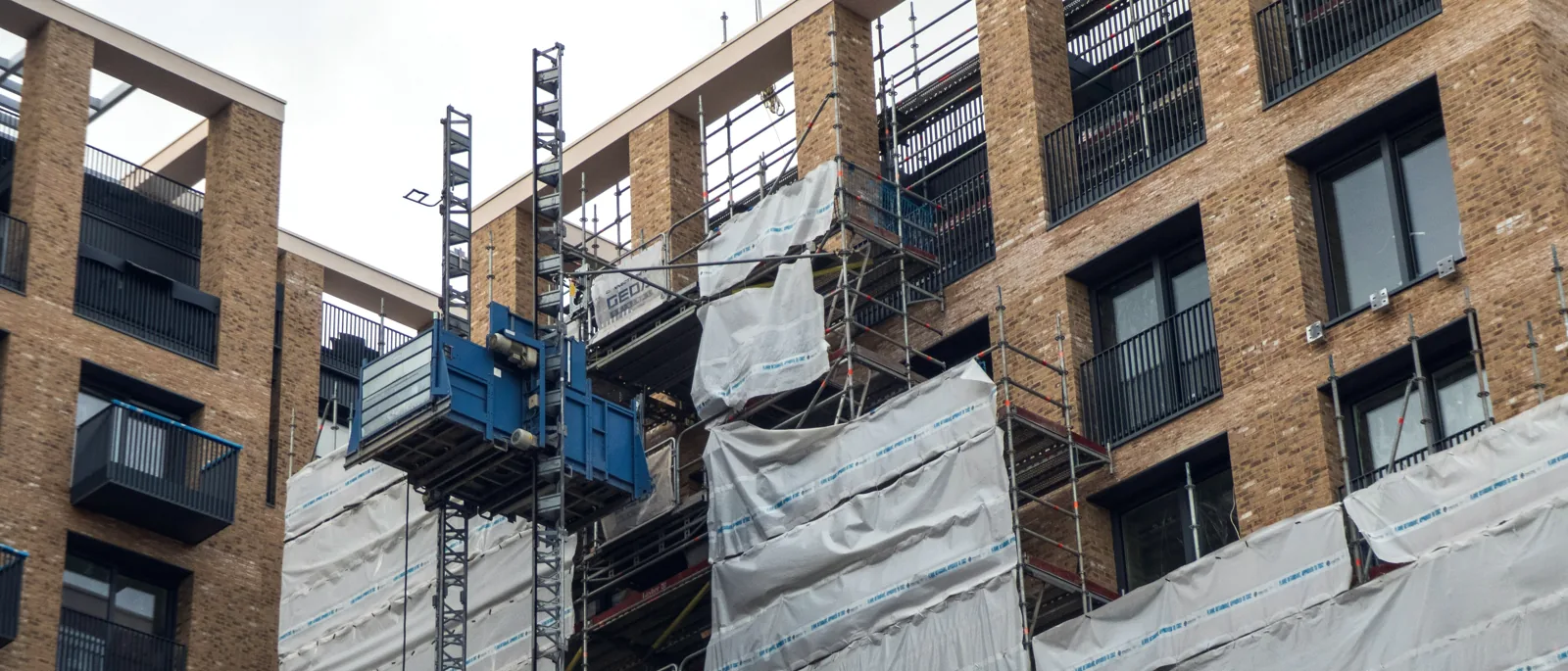
A building site is a building with its protection switched off: open compartments, temporary works, hot works, stored fuel and a changing population. Construction phase fire risk assessments aligned to HSG168 (fire safety in construction) and the Joint Code of Practice for Fire and Security in Construction address that reality — escape from incomplete structures, temporary detection and alarms, waste and ignition control, arson resistance — and keep pace as the site changes. Two documents shape the standard. HSG168 is the Health and Safety Executive's guidance on fire safety in construction, and it sets out what a construction phase fire risk assessment should address and how site fire precautions should be run. The Joint Code of Practice adds the commercial dimension: on many projects, compliance with the Code is a condition of the contract works insurance, which makes the assessment a contractual requirement as well as a safety one. Our assessments are structured against both, so the same document serves the principal contractor's duties and evidences Code compliance to the insurer. A construction site is also the one building type that changes week by week, so the assessment is written to be reviewed. Review points are tied to programme milestones — structure complete, envelope closed, fit-out start, phased handover — rather than to the calendar, and each review records what has changed on site and what that change means for escape, detection and ignition control.
When you need it
- A project must comply with the Joint Code of Practice for insurance
- The principal contractor needs an independent site fire risk assessment
- Refurbishment is happening in a partially occupied building
- Hot works, timber frames or modular methods raise the stakes
What you receive
- A construction phase fire risk assessment with action plan
- Review points tied to programme milestones, not calendar habit
- Coordination notes for the site fire safety plan
How we do it
- Scoping against the project: the programme, construction method (including timber frame or modular where relevant), site logistics, hot works, temporary accommodation and any partial occupation are established from the construction phase plan and an initial site walk.
- Assessment against HSG168 and the Joint Code of Practice: means of escape from the incomplete structure, temporary detection and alarm coverage, waste and fuel control, arson resistance, hot-works permits and fire-fighting provision, each recorded as found rather than as planned.
- Report and action plan issued to the principal contractor, written to slot into the site's fire safety plan and to evidence Joint Code compliance where that is a condition of the project's insurance.
- Programmed reviews at agreed milestones — structure, envelope, services energisation, fit-out, phased handover — with each review updating the assessment to match the site as it now stands rather than rewriting it from scratch.
What drives the cost
Cost depends on the size and complexity of the site, the construction method (timber frame, modular and refurbishment in occupied buildings each demand more attention than a straightforward frame), the number of programmed reviews across the build, and whether the works share the premises with occupants. Sites with strong existing documentation — a construction phase plan and a current site fire safety plan — assess faster than those without. We scope each commission individually and provide a fixed fee before starting.
Common questions
Is a construction phase fire risk assessment a legal requirement?
In substance, yes. A construction site is a workplace, and fire risk on it must be assessed and managed like any other workplace risk; HSG168 sets out what that assessment should cover during the build. There is also a commercial driver that is often the more immediate one: insurers commonly require Joint Code compliance as a condition of the project's cover, and the Code expects a current fire risk assessment for the site. One properly maintained assessment answers both.
What is the Joint Code of Practice?
The Joint Code of Practice for Fire and Security in Construction is the construction and insurance industries' code for fire prevention on construction sites and buildings undergoing renovation. It sets standards for the things that actually start and spread site fires — hot works, temporary accommodation, waste and flammable-material storage, security against arson — and the emergency arrangements around them. Its practical force is contractual: insurers commonly make Code compliance a condition of the contract works cover, so a lapse is an insurance problem as well as a safety one. A current, evidenced fire risk assessment is central to demonstrating compliance.
How often should the assessment be reviewed during the build?
Whenever the site changes in a way that matters — which is why we tie reviews to programme milestones rather than the calendar. Sensible review points are structure complete, envelope closed, services energised, fit-out start and any phased handover or partial occupation, plus significant changes of method such as hot works beginning in a new area. A monthly or quarterly rhythm can serve as a backstop on long programmes, but a calendar-only cadence misses the point: the fire risk profile of a site tracks the programme, not the date.
Can the assessment cover refurbishment in an occupied building?
Yes. It is one of the situations where the assessment earns its keep. Refurbishment in a partially occupied building means residents, staff or the public share the premises with the works: compartment lines are breached, escape routes diverted and detection zones isolated while people still rely on them. The assessment addresses both populations — the trades on site and the occupants around them — and coordinates with the building's existing fire risk assessment, so the interim arrangements are consistent, documented and reversed when the works finish.
Related services
All servicesFurther reading
All insights