Fire safety for commercial and workplace buildings
Independent fire risk assessments and fire safety services for offices, retail, logistics, hospitality and mixed commercial premises across London & the South East.
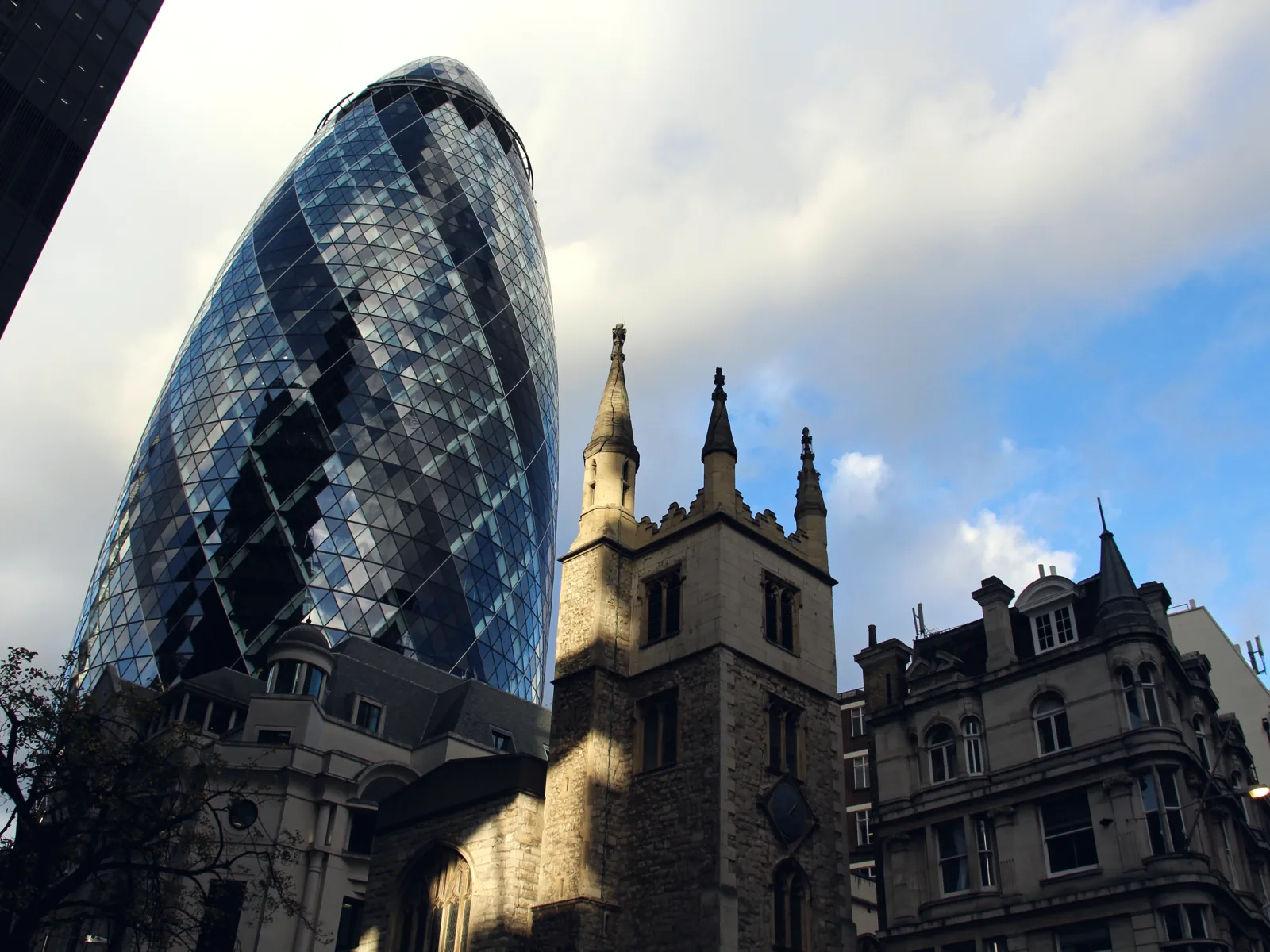
Commercial premises range from a single-tenanted office to a large retail centre or a logistics warehouse, and the fire safety approach that fits one building is rarely right for another. What they share is the duty under the Regulatory Reform (Fire Safety) Order 2005 to have a suitable and sufficient fire risk assessment, a responsible person who acts on it, and fire safety arrangements — emergency plans, staff training, maintenance — that are kept current. Apex provides independent fire risk assessments, audits and advisory services for commercial buildings of all types and sizes, calibrated to the actual risk and use of the premises rather than a standard-form approach.
The regime
The Regulatory Reform (Fire Safety) Order 2005 (the Fire Safety Order, or RRFSO) is the primary fire safety legislation for virtually all commercial premises in England. It applies to any workplace or premises to which the public have access, and places the duty to ensure a suitable and sufficient fire risk assessment on the employer in workplaces, or on the person who has control of the premises where the employer is not in control. Significant findings must be recorded; persons at risk must be identified; preventive and protective measures must be implemented, reviewed regularly, and maintained. The responsible person — whether that is the employer, building owner, facilities manager or managing agent — cannot delegate the legal duty, only the practical task of carrying out the assessment.
Different commercial occupancies carry materially different risk profiles, and a well-scoped FRA reflects that. An open-plan office in a modern building with sprinklers and an addressable fire detection system carries a very different risk picture from a listed building converted to a hotel, a restaurant with a commercial kitchen, or a large distribution warehouse with high racking and a mixed workforce. The assessment should be scoped under PAS 79-1:2020 — the methodology for premises other than housing — and matched to the complexity of the building and the occupancy rather than defaulted to the cheapest option. Where a building mixes commercial and residential use, the residential parts are assessed under BS 9792:2025 alongside, so each part of the building sits under the methodology that applies to it. For hospitality premises with sleeping accommodation, the sleeping-risk dimension raises the standard of evidence required.
For buildings undergoing refurbishment or fit-out, the regulatory picture extends to the construction stage: a construction-phase FRA under HSG168 and the Joint Code of Practice covers the live-site fire risk during the works, and fire strategy input early in the design process avoids the need for costly retrospective engineering later. Where the project is notifiable under Building Regulations, a fire strategy report forms part of the design evidence for the Building Control Body, and where the project meets Gateway thresholds under the Building Safety Act 2022, fire safety documentation must follow the Building Safety Regulator's Gateway process.
The pressures
- Keeping FRAs current as occupancies change, leases turn over, and buildings are refurbished — particularly in multi-tenanted buildings where the responsible person is managing several parties.
- The right type and depth of assessment vary with the premises and its use — scoping it wrong means either under-assessment or unnecessary cost.
- Evidencing compliance in hospitality premises — hotels, restaurants, pubs — where fire safety is a licensing and insurance requirement as well as a legal duty.
- Managing fire safety across a logistics or warehousing estate where storage configuration, racking height and stock mix can change the risk profile faster than a fixed FRA cycle captures.
- Integrating fire safety into fit-out and refurbishment projects without slowing delivery — getting the fire strategy right at the design stage rather than retrofitting it.
In practice
A hospitality operator managing a portfolio of venues across London — including hotel accommodation, bars and restaurants — needed to bring its fire risk assessments onto a consistent, credible footing ahead of a licence renewal and an insurer review. The portfolio included several listed buildings where the means of escape and compartmentation were constrained by heritage limitations. Apex carried out FRAs matched to each premises type and occupancy, including a higher level of assessment for the sleeping-risk elements of the hotel buildings, and identified compartmentation deficiencies in the kitchen-to-dining separations and in the service risers. A prioritised schedule of remedial works was produced that let the operator sequence spend proportionately and demonstrate a clear plan to its insurer.
Services that apply
All servicesFurther reading
All insights