Services / Fire Engineering / 03
PAS 9980 Surveys (FRAEW)
External wall appraisals that deal in evidence, not alarm.
What it is
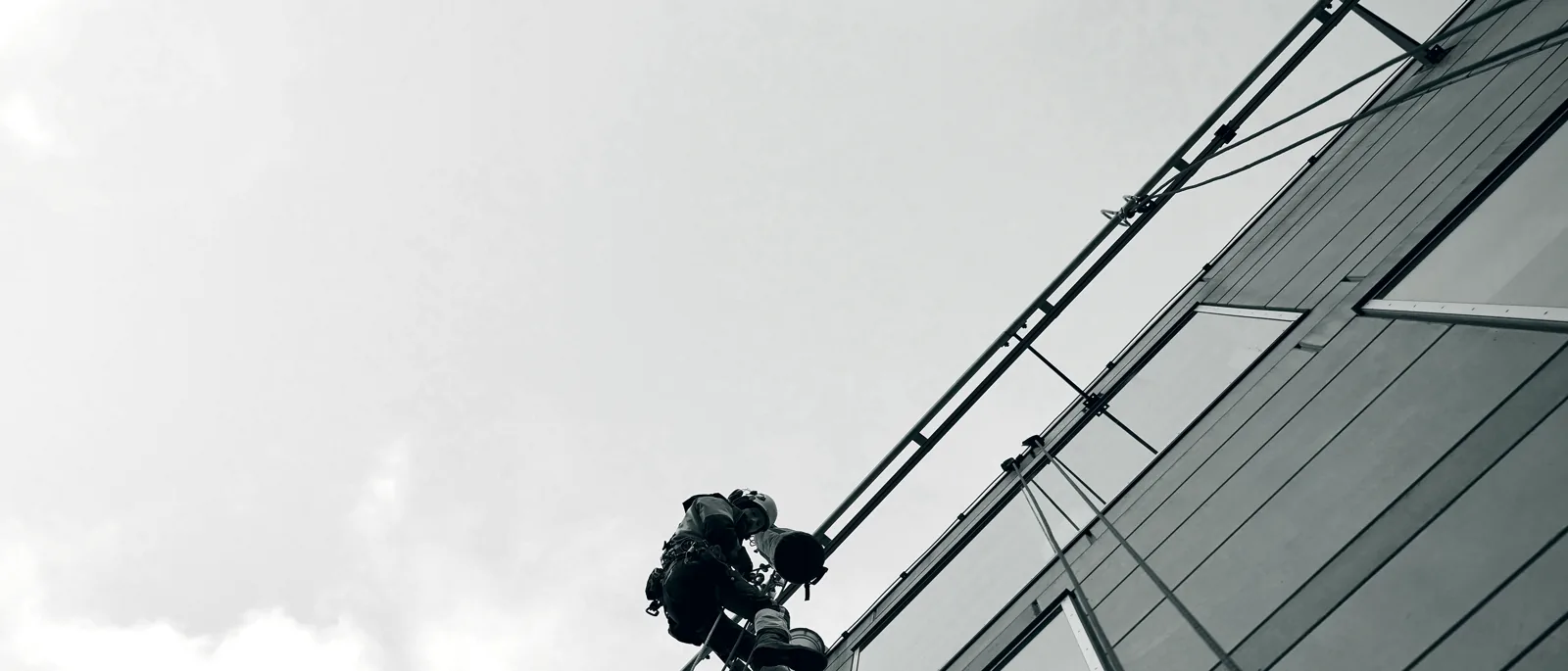
PAS 9980 (fire risk appraisal of external walls, or FRAEW) is the national methodology for appraising external wall construction on multi-occupied residential buildings. It replaces the blunt EWS1 pass/fail with a proportionate, risk-based assessment that considers the entire wall as a system — the materials used, the cavity barrier arrangement, the fixings, the extent of combustible attachments and their relationship to means of escape. We review construction records, carry out a desktop risk assessment, inspect accessible elevations, and commission or carry out intrusive opening-up where the wall build-up cannot otherwise be established. The conclusion is a risk rating under PAS 9980:2022, with reasoning and, where remediation or interim measures are warranted, a proportionate recommendation free of any interest in the remediation contract. An EWS1 form, where one is needed by a lender, can be provided on completion of the appraisal by a registered assessor. The PAS 9980 report provides the technical substance behind the form.
When you need it
- Lenders, insurers or leaseholders need an EWS1 supported by a proper appraisal
- A fire risk assessment has flagged external walls for further investigation
- You are scoping remediation and need to know what is proportionate
- A building safety case requires an external wall assessment
What you receive
- A FRAEW report with a clear risk outcome and reasoning
- Photographic and opening-up records of the wall build-up as found
- Proportionate remediation or interim-measure recommendations
How we do it
- Desktop review: construction records, building regulations documentation, warranties, previous fire safety reports and any intrusive investigation records already held.
- Desktop risk assessment: the wall build-up is assessed so far as records allow, identifying where unknowns require resolution by inspection or opening-up.
- Site inspection: accessible elevations surveyed, samples taken and opening-up carried out where needed to establish the material and system used.
- Report and conclusion: risk rated under PAS 9980:2022, with proportionate remediation or interim-measure recommendations and the reasoning set out in full.
What drives the cost
The main cost variables are building height (more elevations to survey), the number of distinct wall systems or construction types on a single building, the condition of existing records (poor records mean more time establishing the baseline), and the number and complexity of intrusive openings required. Multi-block portfolios can reduce the unit cost per building. We agree the scope — including the number of sample openings — before starting and price on a fixed-fee basis.
Common questions
What is the difference between an EWS1 and a PAS 9980 assessment?
The EWS1 (External Wall System) form is a declaration signed by a registered assessor — it gives lenders and insurers a simple signal (A or B rating, with subdivisions). PAS 9980 is the technical methodology that underpins that declaration: the structured process for reviewing construction records, inspecting the building and assessing the wall as a system. In practice, a PAS 9980 FRAEW is required to produce a defensible EWS1; the form without the underlying appraisal is not considered acceptable evidence.
Does every residential block need a FRAEW?
No. PAS 9980 applies to multi-occupied residential buildings where external wall construction is a material consideration — typically those with cladding, attachments or materials whose fire performance is uncertain. Single-leaf masonry or brick construction with no combustible cladding or attachments is generally outside scope. A fire risk assessment can usually advise whether a FRAEW is warranted.
Will the report tell us exactly what to remediate?
The report will set out a proportionate view based on the risk rating. PAS 9980 is deliberately risk-based rather than prescriptive: some buildings may need limited targeted remediation; others may need interim measures while a programme is developed; some assessments may conclude that the existing wall is within acceptable risk. We do not carry out remediation ourselves, so our recommendations are free of any financial interest in the scope of works.
How long does a FRAEW take?
A straightforward single-block appraisal with accessible elevations and reasonably complete construction records typically takes two to four weeks from instruction to draft report, depending on access arrangements and the extent of opening-up required. Portfolios or buildings with complex construction or poor records take longer. We agree a programme at the scoping stage.
Related services
All servicesFurther reading
All insights