Fire safety for education buildings
From universities and student accommodation to schools and further education colleges — proportionate, independent fire safety advice for the education estate.
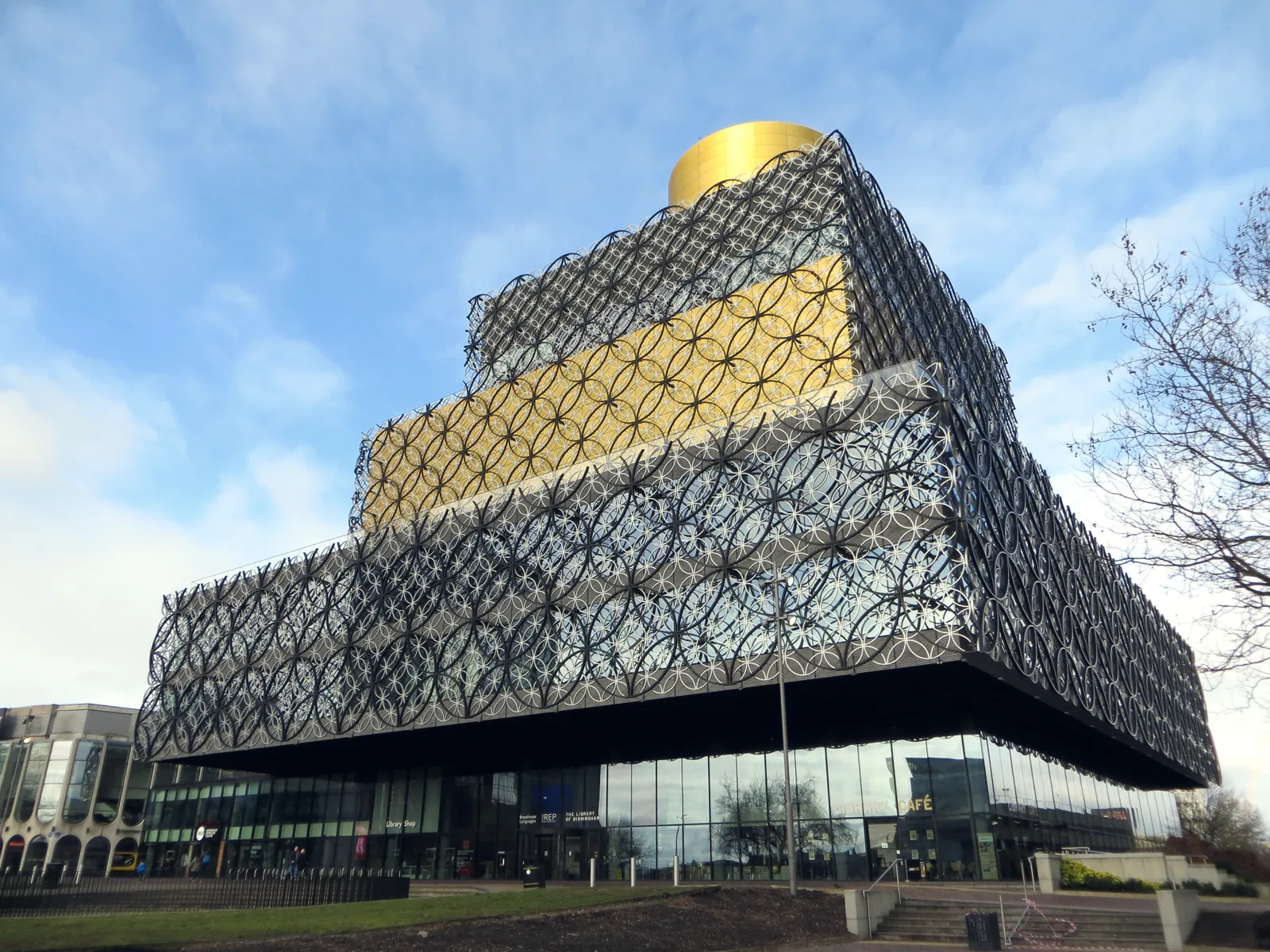
The education sector spans buildings from Victorian school halls to modern student accommodation, with fire safety obligations that shift significantly depending on whether the building is occupied overnight, what age the occupants are, and how the estate is managed. Universities, multi-academy trusts, schools and further education colleges all carry the Regulatory Reform (Fire Safety) Order 2005 duty-holder obligations, with sleeping risk — particularly in purpose-built student accommodation (PBSA) — adding a higher level of scrutiny. Apex provides independent fire risk assessments, compartmentation surveys, fire door surveys and fire strategy advice across the education estate.
The regime
The Regulatory Reform (Fire Safety) Order 2005 (the Fire Safety Order) applies to virtually all education buildings — schools, colleges, universities and their managed student accommodation — imposing a duty on the responsible person to ensure a suitable and sufficient fire risk assessment is in place, that significant findings are actioned, and that fire safety arrangements are maintained. The Department for Education's Building Bulletin 100 (BB100) provides detailed guidance on fire safety design for new schools and significantly refurbished school buildings, covering compartmentation, means of escape, detection and suppression.
Student accommodation introduces a sleeping-risk dimension that raises the stakes considerably. Purpose-built student accommodation (PBSA) managed by a higher-education institution or a private operator falls under the Fire Safety Order for its common parts and structure, with the expectation of an FRA that reflects the specific vulnerabilities of densely occupied residential-style blocks: high turnover of occupants, student behaviour, cooking in rooms, and high-density evacuation. Where blocks exceed 18 metres or seven storeys and meet the Building Safety Act 2022 definition of a higher-risk building (HRB), accountable-person duties and building safety case requirements apply in the same way as for private residential blocks.
For the wider school estate, inspections commissioned through frameworks or by multi-academy trusts often expose legacy compartmentation failures — chased service runs, penetrations in older suspended ceilings, fire doors propped open — that are straightforward to fix once identified but easy to miss without a survey. Apex carries out compartmentation surveys and fire door surveys alongside FRAs, giving a complete picture rather than an FRA in isolation. Where estate refurbishments or new buildings are in scope, fire strategy services and construction-phase FRAs (under HSG168 and the Joint Code of Practice for fire prevention on construction sites) complete the service.
The pressures
- Managing fire safety consistently across a large, geographically dispersed estate — particularly for multi-academy trusts with varied building ages and standards.
- At 18 metres or seven storeys, student accommodation crosses into Building Safety Act 2022 higher-risk building territory — understanding what that means for accountable-person duties.
- Evidencing compliance in PBSA to insurers, local fire and rescue services, and — for HRBs — the Building Safety Regulator.
- Identifying compartmentation failures in older school buildings without disrupting the school day.
- Commissioning proportionate fire risk assessments that reflect sleeping risk in residential blocks without over-engineering single-occupancy day-use facilities.
In practice
A higher-education institution managing both a central campus estate and a portfolio of purpose-built student accommodation needed to establish a consistent, independently verified compliance position across buildings of very different types and risk profiles. Apex carried out FRAs across the residential blocks under PAS 79, applying a higher level of scrutiny to the sleeping-risk elements and verifying compartmentation between floors and between accommodation units. Fire door surveys identified a significant proportion of defective self-closing devices and intumescent strips — common findings in student accommodation with high footfall and frequent abuse — and produced a prioritised replacement schedule. The institution moved from building-by-building uncertainty to one portfolio-wide view of its fire safety position.
Services that apply
All servicesFurther reading
All insights