Context
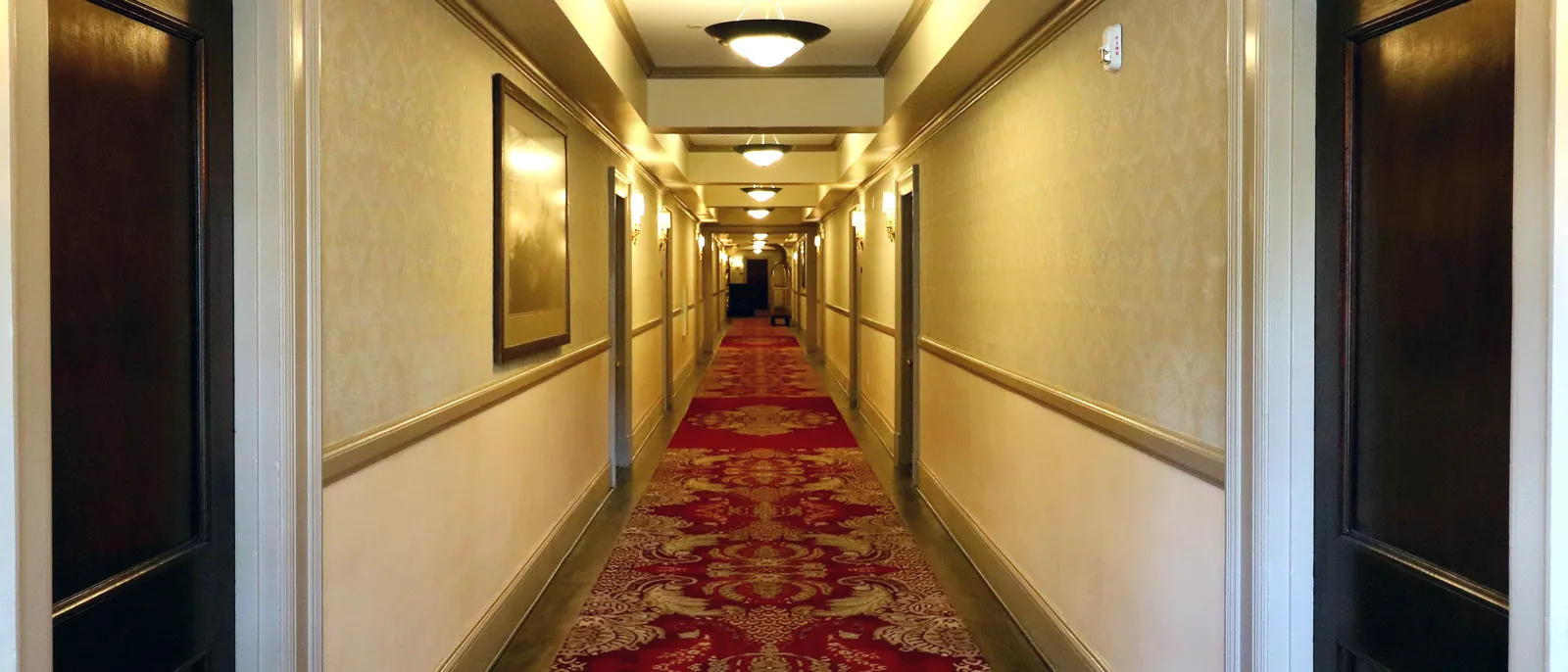
A hospitality operator was fitting out a hotel and needed the fire strategy resolved alongside a fixed fit-out programme. Hotels carry a sleeping-risk profile — guests unfamiliar with the building, some of them asleep when a fire is first detected — which sits at a more demanding point on BS 9999's risk profile than a typical daytime commercial use. Fit-outs concentrate the hard parts of that design into a tight programme: changing layouts, an existing building taken through a change of use, and design intent that the team understandably wants to protect.
The brief
The operator needed a fire strategy that satisfied the Regulatory Reform (Fire Safety) Order 2005 (RRFSO) and Building Regulations without forcing the design back to a generic template — and without becoming the thing that held up the programme. They wanted clear, decisive answers the design and construction team could build to, and the handover information a responsible person needs on day one of operation.
Our approach
Apex produced the fire strategy using BS 9999 as the design framework, assessed against the sleeping-accommodation risk profile the hotel use requires. Where the building and its management justify it, BS 9999 allows a more tailored approach than the baseline guidance in Approved Document B. That let the team accommodate the intended layout on the basis of analysis rather than rejecting it by default — the proportionate route, properly evidenced.
The strategy covered means of escape, compartmentation, fire detection and alarm, and management arrangements, set so the operator's day-to-day running of the building was realistic rather than aspirational. Apex coordinated with the design team, the contractor, and building control/the approved inspector so the fire position was agreed early and didn't resurface late in the programme.
On completion, Apex set out the Regulation 38 fire safety information to hand to the responsible person, and produced the occupation fire risk assessment so the building was compliant from the day it opened. As an independent consultancy with no installation arm, Apex specified what the building needed — not what a linked supplier might prefer to sell.
Outcome
The Regulation 38 fire safety information pack and the occupation-stage fire risk assessment were delivered at handover, giving the responsible person what they needed to run the hotel safely from day one. The fire strategy itself was agreed with building control without requiring a redesign, so the operator opened on programme with a strategy tailored to the building and evidenced to standard.
What a duty holder can take from this
On a fit-out, fire safety is cheapest and least disruptive when it's resolved early and as design, not as a correction later. Using BS 9999 rather than defaulting to Approved Document B often lets a scheme keep its design intent while still meeting the standard — but only when the analysis is done properly and agreed with building control up front. And the job isn't finished at completion: the Regulation 38 information and an occupation fire risk assessment are what carry the building safely into use. Getting both at handover avoids the familiar scramble after opening.